How to make a Hurricane Wisdom type beat that actually lands
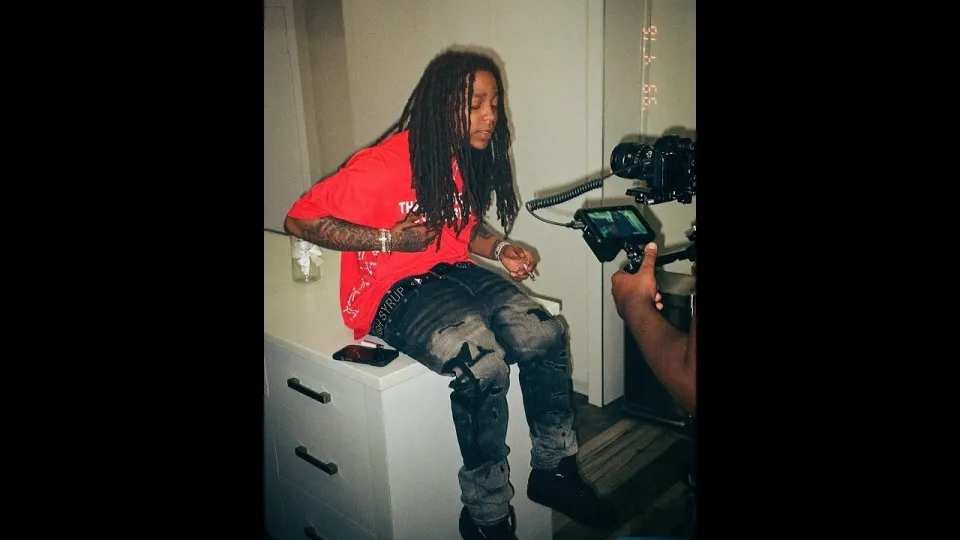
Video: [FREE] Hurricane Wisdom Type Beat - "Soul Tied"
Want articles like this for your own video to promote it on YouTube and Google? Order them through the Telegram bot @sat_sit_bot. Articles with your video embedded are written and posted by the bot itself — on popular topical sites (no ads). Your first 50 articles are free.
· based on the channel December
A Hurricane Wisdom type beat is a soul-sample-driven trap instrumental built around sung, emotionally raw hooks and a mid-to-fast tempo — the "Soul Tied" beat from the channel December runs at 172 BPM and follows exactly that formula. To make one yourself, start with a warm sample loop, program sparse but hard-hitting drums on top, leave room for a melodic vocal, and license the result properly if you plan to release it. The reference beat is available as a free download in high quality on BeatStars under a non-profit license.
What defines the Hurricane Wisdom type beat sound
Hurricane Wisdom's Florida melodic-rap lane sits between trap and R&B, and a type beat in that style has to serve a rapper who sings more than he raps. The defining traits are a looped soul or gospel-flavored sample, a vocal that can carry a hook without a big melodic drop, and drums that stay out of the way of the voice.
In practice that means:
- A sample loop of four or eight bars, usually pitched up slightly and filtered so it feels like a memory rather than a full band.
- 808s that follow the root notes of the sample instead of fighting them.
- Snare or clap on the backbeat with hi-hats that roll rather than machine-gun.
- Long, open sections — eight bars of drums, eight bars of sample only — so an artist can switch between singing and rapping.
The tempo is the giveaway. At 172 BPM the beat sits in double-time territory, which reads as roughly 86 BPM to the vocalist: slow enough to sing over, fast enough for trap hi-hat patterns. That half-time feel is what makes the style work for both a melodic hook and a double-time verse.
Building the beat step by step
Start with the sample, because everything else in this style is written around it. Pick a soul or R&B record with a clean four-bar phrase, chop it into a loop, and pitch it up two to four semitones until it has that slightly strained, nostalgic tone. If the source has vocals, isolate or filter them so the loop reads as texture rather than a feature.
Next, lay the drums in this order:
- Kick and 808 first, locked to the sample's chord changes so the low end never clashes.
- Snare or clap on beat three of the half-time grid, with a lighter ghost hit if the loop has space.
- Hi-hats last, using rolls and triplets only where the vocal would breathe.
Then write a simple counter-melody — a two- or three-note bell or pluck line works better than a full lead, because the artist's voice is the main melody. Bounce the beat and listen to it with a placeholder vocal take; if the drums cover the vocal, pull the hats and snare down a couple of dB rather than turning the vocal up.
Mixing and arrangement choices that keep the vocal upfront
A type beat for a melodic rapper should sound finished but not crowded. Keep the sample loop slightly compressed and saturated so it holds its own on phone speakers, high-pass the loop around 100–150 Hz to leave the low end to the 808, and sidechain the 808 gently against the kick so the two never mask each other.
Arrangement matters as much as the mix. A workable structure for a three-minute song is: four bars of sample intro, eight bars with drums, sixteen-bar verse, eight-bar hook, sixteen-bar verse, hook, outro. Leave the last two bars of each section empty or filtered so the artist has a natural entry point. Producers who submit beats to artists often lose out not on sound but on clutter — a beat with obvious open space gets used more often.
Using a free type beat legally
The "Soul Tied" instrumental is free for non-profit use only. That means you can record, upload to social platforms as a snippet, or perform it without paying, but the moment you distribute a song on Spotify, Apple Music, Distrokid or any other service and earn from it, you need a purchased lease.
Two conditions come with the free download: credit the producer in the title — the required format is (prod. thesshabo) — and keep the use non-commercial until a lease is in place. Leases typically define streaming caps, whether you can monetize a music video, and whether the beat can be resold or transferred; read those terms before you build a release plan around the instrumental. If you intend to pitch the song to a label or a playlist campaign, ask about an exclusive option, since a leased beat can be sold again to another artist.
Common questions producers and artists ask about type beats
Most of the doubts around this style come from artists who already have a verse and want to know whether the beat fits, and from producers wondering whether their own beats are competitive. A few practical checks:
- Does the beat leave room for a sung hook, or does the sample already occupy that register? If the loop is busy in the midrange, filter it during the hook section.
- Is the tempo comfortable for the artist's delivery? Try the same loop at 160 and 172 BPM and record a test take at each.
- Are the drums distinct enough? A common critique of sample-based beats is that the loop is strong while the drums feel generic — layer a second snare, add a percussion loop, or process the kick with saturation so it has its own character.
- Is the beat loud enough to compete in a demo folder? Aim for a balanced master around -8 to -6 LUFS short-term for reference, and never clip the 808.
For artists writing to this kind of beat, the strongest results come from writing the hook first over the sample-only section, then filling verses around it. That is how the melodic-rap records in this lane are usually built: the hook is the identity of the song, and the verses are the detail.
Where to get the beat and the drum kit
Both assets referenced in the video are hosted on BeatStars. The instrumental itself is the "Soul Tied" Hurricane Wisdom type beat download, available in high quality with the non-profit terms described above. The drums used on the beat are packaged separately as a drum kit on BeatStars for producers who want the same kit to build their own arrangements.
Final thoughts
A Hurricane Wisdom type beat lives or dies on the sample and the space left for the voice, and "Soul Tied" shows the formula clearly: a soul loop, 172 BPM half-time drums, and an arrangement with room for a sung hook. Build in that order — sample, low end, drums, counter-melody — and resist filling every bar. When you are ready to release, sort out the license first: the beat is free for non-profit work, but distribution requires a lease and a (prod. thesshabo) credit in the title. The channel December published the beat and its breakdown, so the reference is easy to check against your own work. Grab the high-quality download on BeatStars and start writing.
Key takeaways
- "Soul Tied" by December runs at 172 BPM and is built on a soul sample with trap drums.
- Free downloads of type beats are for non-profit use only; distribution requires a purchased lease.
- Producers must credit the beat maker in the song title, e.g. (prod. thesshabo).
- The drum kit used on the beat is sold separately through a BeatStars link.
- Hurricane Wisdom's Florida melodic-rap style favors sung hooks and emotional, sample-driven loops.
Questions & answers
Can I release a song on Spotify using a free type beat?
Not without a lease. Free downloads in this category are licensed for non-profit use only, so streaming distribution and monetization require a purchased lease. The lease also sets streaming caps and video rights, so check those numbers before you plan a release.
What tempo should a Hurricane Wisdom type beat be?
"Soul Tied" runs at 172 BPM, which reads as a half-time feel of about 86 BPM to the vocalist. That range suits both sung hooks and double-time verses. Try the same loop between 160 and 172 BPM and record a test take to see which fits the artist.
Do I have to credit the producer in the song title?
Yes, if you use this beat. The required credit is (prod. thesshabo) placed in the title of the song. Removing the credit breaks the license terms even for non-profit uploads.
Why do sample type beats sometimes sound weak on the drums?
Because the loop carries the musical weight and the drums are treated as an afterthought. Layer a second snare, add percussion, and saturate the kick so it has its own character. Keep the hats and snare a couple of dB under the vocal so the artist stays upfront.
Source: [FREE] Hurricane Wisdom Type Beat - "Soul Tied" · Markdown version